
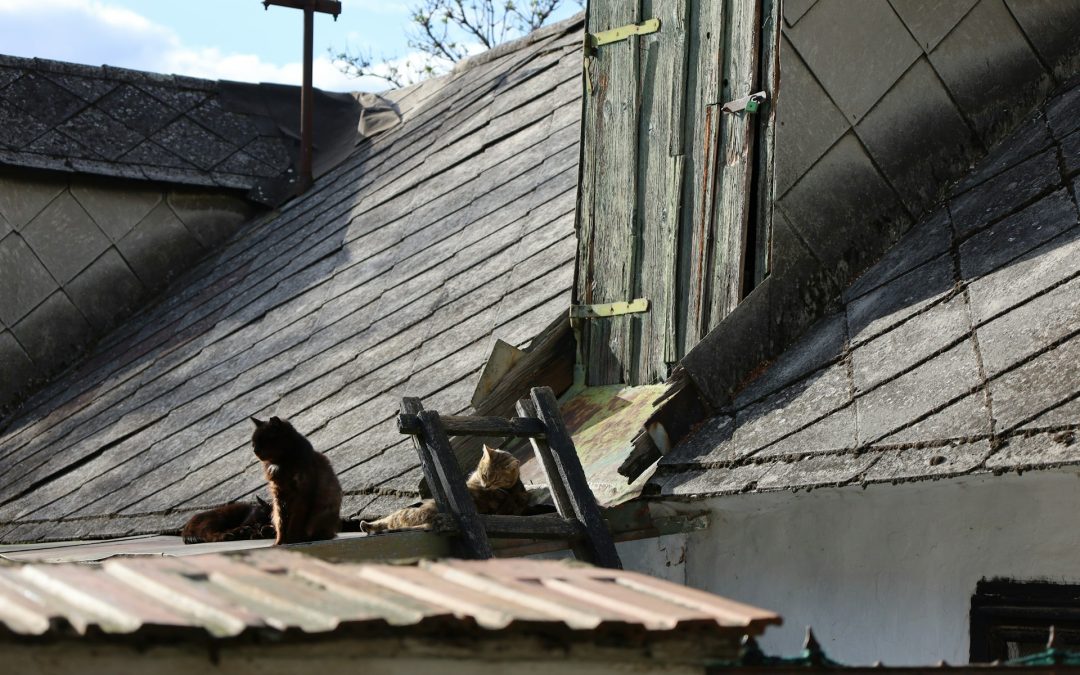
Dealing with roof damage after a storm can feel like an overwhelming task, especially when nature has its way of throwing unexpected challenges. Storms can leave your roof with dents, missing shingles, or even leaks, all needing immediate attention to prevent further damage. Timely action is crucial here because the longer a roof remains damaged, the more vulnerable it becomes to further issues, which might lead to costly repairs down the line. Taking a proactive approach ensures your home remains safe and your roof continues to do its job effectively.
In addressing roof damage, it’s important to focus on getting a professional to assess and guide you through the repair process. Roofers, with their expertise, play a pivotal role in evaluating the extent of the damage, providing you with the right solutions, and ensuring your roof is fixed properly. Their experience is invaluable in navigating the repair process smoothly and efficiently, so you can have peace of mind knowing your roof will soon be back to its best. Let’s explore the best ways to handle roof damage in the aftermath of a storm.
Assessing the Damage
When the storm settles and it’s safe to go outside, the first step is to assess the damage to your roof. Here are some practical actions you can take right away:
- Ensure Safety First: Before anything else, prioritize safety. Wait until conditions are completely safe before heading outside. Look out for hazards like fallen power lines or loose debris.
- Initial Damage Check: Conduct a visual inspection of your roof from the ground. Look for obvious signs of damage, such as missing or broken shingles, dents from hail, or debris lodged on the roof.
- Different Roof Types: Depending on your roof type—be it shingle, tile, or metal—look for specific signs. Shingle roofs may have missing pieces or curled edges, while tile roofs can be cracked or dislodged. Metal roofs might show dents or missing fasteners. If unsure, photographs of these conditions can be handy for later assessments.
- Document Everything: Take detailed notes and photos of any damage you spot. This documentation is essential not only for your records but also when dealing with insurance claims. Visual proof can go a long way in supporting your case.
It’s important to leave any climbing or close assessment to professionals who have the right gear and know-how to safely navigate roof inspections. Trying to inspect or fix things yourself could lead to accidents, especially if the roof structure is compromised. Bringing in a skilled roofer who knows what to look for and how to handle it ensures that nothing goes unnoticed and that you get the repairs you need promptly and properly.
Temporary Fixes to Prevent Further Damage
Once you’ve assessed the damage, it’s time to consider temporary solutions to protect your home from further harm. These fixes are meant to hold until a professional can make permanent repairs, so it’s important to approach this step with caution and proper knowledge.
- Use tarps to cover exposed areas: They provide a quick shield from the elements and help prevent water from seeping into your home. Secure them well to ensure they stay in place during windy conditions.
- Apply roofing cement or sealants to patches: These can be useful for minor leaks or cracks and handle them temporarily. Always ensure you’re using products suitable for your roof’s material.
Temporary fixes are just that—temporary. They won’t replace professional repairs but will buy you some time and minimize additional damage. Failing to address repairs promptly could lead to bigger issues like mold or structural damage, so it’s important to have these temporary measures in place while awaiting permanent solutions.
Working with Your Insurance Company
Navigating the insurance process can be daunting, but knowing what to expect and how to proceed can streamline the experience.
- Get a detailed estimate from a professional roofer: Their evaluation is crucial for understanding repair costs and what your insurance policy may cover.
- File your claim promptly: Notify your insurance company as soon as possible, armed with documentation and estimates.
- Follow up with adjusters: Maintain open communication with your insurance adjuster to ensure there are no misunderstandings and to keep the process moving smoothly.
- Avoid common pitfalls: Misunderstanding your policy or missing deadlines can complicate the process. A professional roofer can guide you on the proper documentation and timelines, making the insurance claim process less stressful.
Final Thoughts: Ensuring Your Roof’s Longevity
Taking the right steps after a storm can significantly impact your roof’s health and longevity. Regular maintenance and timely repairs are important in safeguarding your roof’s future. Schedule routine inspections to catch issues early and ensure that your roof stays in good shape through all seasons.
Being proactive with repairs and maintenance can save you from costly problems down the road. By investing time and effort now, you’re setting up your roof to withstand whatever nature throws its way, helping keep your home secure and comfortable.
You can trust your roof to stand strong against future storms by regularly maintaining it and making necessary repairs when needed. For expert guidance and high-quality service, let a professional handle the job. Learn more about how an experienced roofer can assist you by visiting Mike Huddleston Roofing Systems.