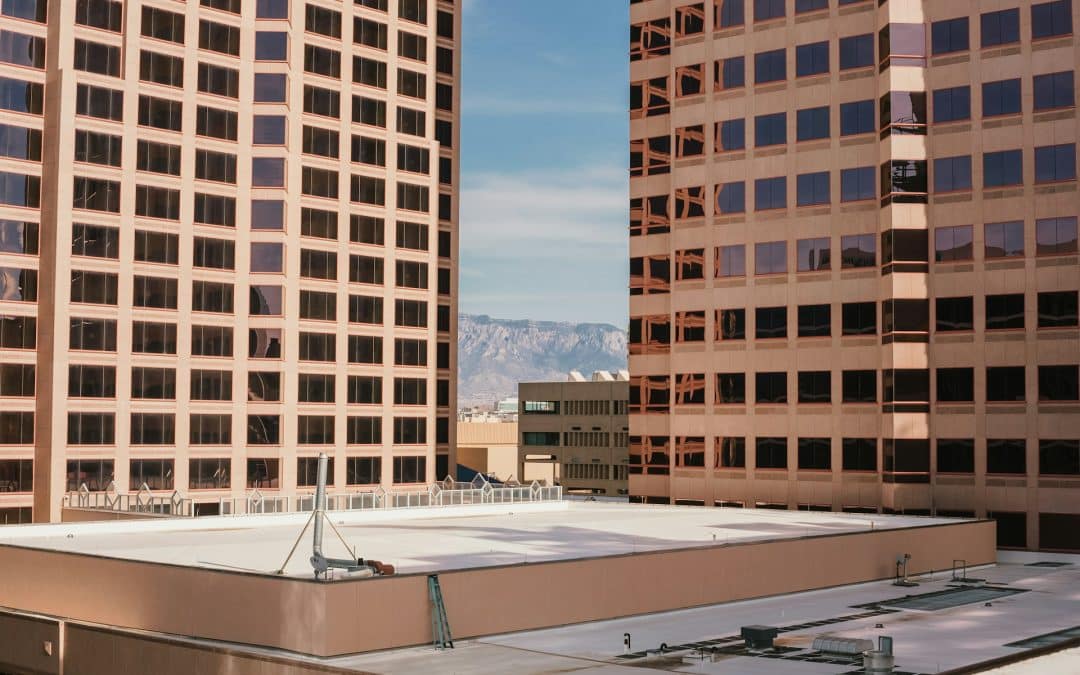
Choosing the right modification system for flat roofs is an important task for any business owner or property manager. Flat roofs are a common choice for commercial buildings due to their cost-effectiveness and practical design, but selecting the suitable modification system can make a significant difference in the roof’s durability and efficiency. This decision impacts not only the overall lifespan of the roof but also the building’s energy efficiency and long-term maintenance costs.
Flat roofs present unique challenges that demand a careful evaluation of available systems. Understanding these challenges and the options available ultimately helps in making a more informed decision. Let’s explore what makes flat roofs distinct, the types of modification systems available, and key considerations to ensure the right choice is made.
Understanding Flat Roofs
Flat roofs are defined by their nearly level surface, typically having a slight slope to facilitate water drainage. They are often preferred for commercial buildings due to their space efficiency and ease of access, allowing the installation of equipment like HVAC systems and solar panels. However, flat roofs come with their own set of challenges, primarily related to water drainage and insulation.
Unlike pitched roofs, flat roofs can experience water pooling, which may lead to leaks and damage over time. Additionally, they require efficient insulation to maintain energy efficiency, as they are more exposed to temperature swings. Maintenance and inspections become crucial to ensure that the roofing remains in excellent condition.
Types of Flat Roof Modification Systems
1. Single-Ply Membranes
– Single-ply membranes, such as TPO, EPDM, and PVC, are popular choices. These materials are lightweight and flexible, offering easy installation and repair.
– Advantages:
– TPO membranes are great for reflecting UV rays, reducing cooling costs.
– EPDM is highly resistant to weathering and abrasion.
– PVC provides excellent durability and a long lifespan.
– Ideal Scenarios: Ideal for buildings seeking a balance of cost-efficiency and performance.
2. Modified Bitumen
– Modified bitumen combines traditional asphalt with polymerized rubber or plastic, enhancing flexibility and durability.
– Benefits:
– Excellent waterproofing and weather resistance.
– Can be installed using various methods such as cold adhesive or torch application.
– Common Applications: Suitable for buildings requiring robust protection and those with heavy foot traffic.
3. Built-Up Roofing (BUR)
– BUR involves multiple layers of bitumen alternated with reinforcing fabrics, providing strength and durability.
– Pros and Cons:
– Pros: Offers exceptional waterproofing and lasts for decades with proper maintenance.
– Cons: Requires a more complex installation process and is heavier than other systems.
– Commercial Usage: Often chosen for buildings that prioritize durability over ease of installation.
4. Spray Polyurethane Foam (SPF)
– SPF involves spraying a liquid that expands and hardens into a solid, providing seamless insulation and weatherproofing.
– Benefits:
– Offers excellent insulation by creating a continuous barrier.
– Provides effective waterproofing due to its seamless application.
– Application Process: Ideal for buildings looking for both energy efficiency and quick installation.
Each of these systems offers distinct advantages, catering to different needs based on factors like insulation, climate, and building usage. The choice between them should reflect the specific challenges and priorities of the building in question, ensuring a selection that aligns with both immediate and long-term goals.
Factors to Consider When Choosing a System
When deciding on the right flat roof modification system, several factors should come into play. First, think about the climate and weather conditions in your area. Some systems might perform better in colder climates, whereas others thrive under intense sun or heavy rain. For example, TPO membranes are great for hot, sunny areas because they reflect heat away from the building. On the other hand, systems like BUR provide excellent water resistance, which is useful in places with frequent rainfall.
Another important consideration is the building’s structure and usage. If your building houses heavy equipment on the roof, you might lean toward a system like BUR, which can handle more weight. Conversely, if keeping your building energy-efficient is a priority, spray foam systems might be a better fit due to their superior insulating properties.
Budget and maintenance play significant roles, too. While some systems might have a lower upfront cost, consider the long-term expenses like maintenance and potential repairs. Single-ply membranes, for instance, are easy to install and repair but might need more frequent attention in areas with severe weather conditions. Meanwhile, spray polyurethane foam offers durable protection and requires minimal upkeep, though the initial outlay might be higher.
Finally, it’s wise to compare energy efficiency benefits. Certain systems provide added insulation, reducing the need for excessive heating or cooling. This can lead to substantial savings over time, making an energy-efficient system a worthwhile investment for the environmentally-conscious building owner.
Consulting with Commercial Roofing Contractors
Engaging with commercial roofing contractors can turn a complex decision into a straightforward process. These professionals offer invaluable insights into the best systems for specific needs and conditions. Their expertise helps in choosing a system that ensures both performance and longevity.
Take advantage of their experience by discussing the particular demands of your roof, like climate concerns or structural limitations. Contractors can guide you through product options, installation techniques, and even potential pitfalls to avoid. This type of guidance is crucial—it removes much of the guesswork and provides peace of mind knowing you’ve made an informed and strategic decision.
Professional installation also offers assurance that the roof system is applied correctly, minimizing the risk of future issues. Working with skilled contractors ensures that everything from the initial selection to the final installation is handled with precision and care.
Making an Informed Decision
Choosing the right modification system for a flat roof involves balancing numerous factors, each with its own set of benefits. From weather and climate to budget and building use, every detail matters in the quest for the ideal roofing solution. By weighing these variables carefully, you can select a system that not only meets immediate needs but also supports future growth and efficiency.
Ultimately, the right roofing system should provide sturdy protection and contribute positively to the building’s overall function. It’s more than just a cover; it’s an essential component of the building itself. Taking the time to assess all options and seek expert advice elevates the process, making it thorough and well-considered.
As you consider the options, remember the importance of making a decision that aligns with your specific goals and needs. A well-chosen system can offer benefits for years to come, ensuring your investment stands the test of time and environmental changes.
For commercial buildings requiring durable and efficient flat roof solutions, working with experienced commercial roofing contractors can make all the difference. At Mike Huddleston Roofing Systems, we specialize in a variety of systems tailored to your specific needs. Whether you are exploring options like TPO, SPF, or modified bitumen, our knowledgeable team is here to guide you through every step. For more information on flat roofing solutions, explore how we can help optimize your building’s performance.