

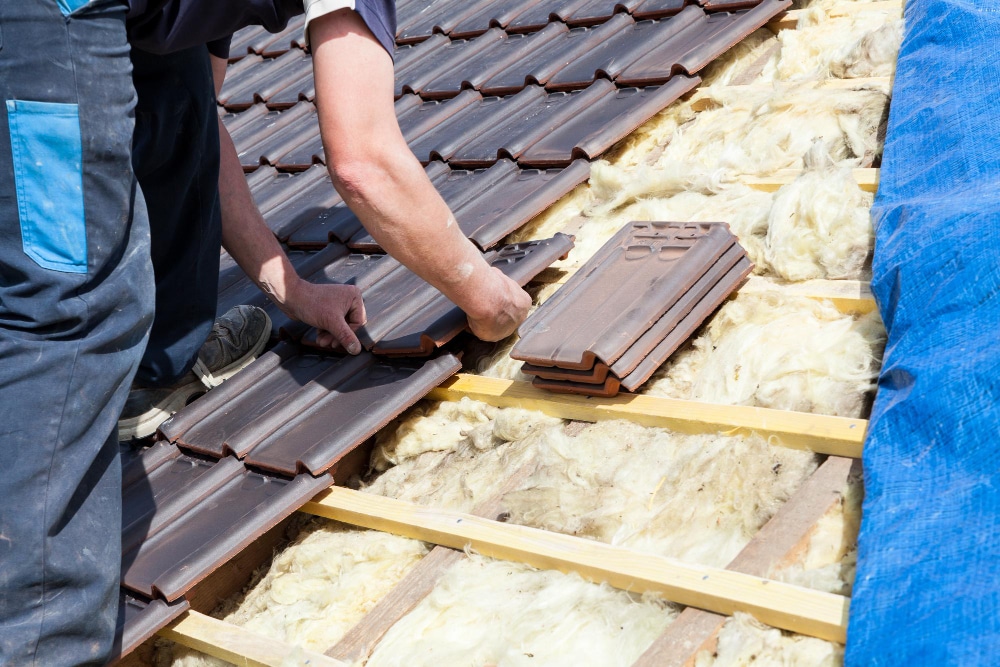
Your roof is one of the most important parts of your home. It protects your family, belongings, and property from harsh weather while helping maintain your home’s structural integrity. In Texas, roofs face unique challenges throughout the year, including intense heat, severe thunderstorms, hail, high winds, and heavy rainfall. These conditions can gradually wear down roofing materials and create problems that require professional attention. Working with a trusted Roofing Company in TX can help homeowners identify damage early and prevent minor roofing issues from turning into costly repairs.
Many homeowners don’t realize their roof has been damaged until a leak appears inside the house. Unfortunately, by the time water enters your home, the damage may already be extensive. Recognizing the warning signs early can help you avoid costly repairs and extend the life of your roofing system.
If you are wondering whether your roof needs professional attention, here are the most common signs that indicate it’s time to schedule a roof inspection and repair.
Why Roof Repairs Matter in Texas
Texas weather can be unpredictable. Hailstorms, strong winds, and prolonged sun exposure can cause significant damage to roofing materials over time. Even minor issues can quickly become major problems if they are ignored.
According to roofing professionals, roof leaks are commonly caused by damaged flashing, storm damage, worn shingles, poor installation, and other roofing system failures. Improper flashing around roof penetrations is one of the leading causes of leaks.
Addressing small roofing problems early helps prevent:
- Water damage
- Mold growth
- Structural deterioration
- Increased energy costs
- Premature roof replacement
Routine inspections and timely repairs can save homeowners thousands of dollars in future expenses.
1. Missing or Damaged Shingles
One of the easiest signs to spot is missing or damaged shingles.
Texas storms often produce strong winds that can lift shingles from the roof surface. Hail can crack or bruise shingles, reducing their ability to protect your home.
Signs of shingle damage include:
- Missing shingles
- Cracked shingles
- Curling edges
- Buckling shingles
- Bald spots where granules have worn away
Damaged shingles expose the underlayment and decking beneath the roof, increasing the risk of water intrusion.
If you notice even a few missing shingles after a storm, it is wise to schedule a professional roof inspection.
2. Water Stains on Ceilings or Walls
Water stains inside your home often indicate a roofing problem.
Common signs include:
- Brown or yellow ceiling stains
- Peeling paint
- Bubbling drywall
- Damp spots on walls
- Mold growth near ceilings
A leak may not always appear directly below the damaged area of the roof. Water can travel through attic spaces before becoming visible inside your home.
Roof leaks should never be ignored. Even a small leak can cause extensive damage to insulation, framing, drywall, and electrical systems.
3. Damaged Flashing Around Roof Features
Flashing is the metal material installed around chimneys, vents, skylights, valleys, and other roof penetrations.
Many roofing experts identify defective or improperly installed flashing as one of the primary causes of roof leaks.
Watch for:
- Rusted flashing
- Loose flashing
- Cracked sealants
- Missing flashing sections
- Water stains near roof penetrations
Because flashing failures often lead to hidden leaks, professional inspection is recommended whenever flashing appears damaged.
4. Granules in Your Gutters
Asphalt shingles are coated with protective granules that shield them from UV rays and weather damage.
Over time, these granules naturally wear away. However, excessive granule loss can signal that your roof is nearing the end of its lifespan.
Check your gutters and downspouts for:
- Black sand-like particles
- Excessive shingle debris
- Accumulated granules after storms
Significant granule loss reduces your roof’s ability to withstand Texas heat and weather conditions.
5. Sagging Areas on the Roof
A sagging roof is a serious warning sign that should never be ignored.
Sagging may indicate:
- Water damage
- Rotted roof decking
- Structural weakening
- Long-term moisture intrusion
Signs of sagging include:
- Uneven roof lines
- Dips in the roof surface
- Visible depressions
If you notice any sagging areas, contact a professional roofing contractor immediately. Structural damage can worsen rapidly and may eventually lead to roof failure.
6. Hail Damage After a Storm
Texas is known for severe hailstorms that can cause significant roofing damage.
Even small hailstones can damage shingles by:
- Cracking the surface
- Removing protective granules
- Creating weak spots
- Shortening roof lifespan
After a hailstorm, homeowners should inspect for:
- Dented gutters
- Damaged siding
- Bruised shingles
- Loose roofing materials
Not all hail damage is visible from the ground. A professional inspection can identify hidden damage before it develops into leaks.
7. Increased Energy Bills
Many homeowners are surprised to learn that roof damage can affect energy efficiency.
A damaged roof may allow:
- Conditioned air to escape
- Hot outdoor air to enter
- Moisture to affect insulation performance
As a result, your HVAC system must work harder to maintain indoor temperatures.
If you notice unexplained increases in cooling costs during the Texas summer, your roof may be contributing to the problem.
8. Roof Is More Than 15 to 20 Years Old
Age alone does not mean your roof requires replacement, but it does increase the likelihood of repairs.
Older roofs are more vulnerable to:
- Weather damage
- Material deterioration
- Flashing failures
- Leaks
Regular inspections become increasingly important as roofing systems age.
Homeowners with older roofs should schedule professional evaluations annually to identify developing issues before they become major repairs.
9. Moss, Algae, or Mold Growth
Although less common in some parts of Texas, moisture-related growth can occur on roofing surfaces.
Look for:
- Dark streaks
- Green patches
- Moss accumulation
- Mold growth
These growths can trap moisture against roofing materials and accelerate deterioration.
Professional cleaning and repairs may be necessary to restore proper roof performance.
10. Clogged or Damaged Gutters
Your gutter system plays a critical role in protecting your roof.
According to roofing professionals, clogged downspouts and overflowing gutters can create roofing and drainage issues that contribute to long-term damage.
Signs of gutter-related roof problems include:
- Overflowing gutters
- Sagging gutter sections
- Standing water
- Water pooling near the foundation
Regular gutter maintenance helps protect both your roof and your home.
11. Visible Storm Damage
Storms can cause immediate roofing damage that may not always result in an immediate leak.
After severe weather, inspect for:
- Fallen tree limbs
- Lifted shingles
- Bent flashing
- Debris accumulation
- Impact damage
Texas homeowners should always schedule a roof inspection following major storms to identify damage that may qualify for insurance claims and prevent future problems.
How Often Should Texas Homeowners Inspect Their Roof?
Regular inspections are one of the best ways to protect your investment.
Roofing experts recommend inspecting your roof multiple times throughout the year, especially after severe weather events. Seasonal inspections can help identify developing problems before they become costly repairs.
Ideal inspection times include:
- Spring
- Fall
- After hailstorms
- After high-wind events
- Following heavy rainfall
Professional inspections provide a more thorough evaluation than visual checks from the ground.
Why DIY Roof Repairs Can Be Risky
While some homeowners may be tempted to perform their own repairs, roofing work can be dangerous and often leads to additional damage if performed incorrectly.
Walking on roofing materials can:
- Crack shingles
- Cause leaks
- Create safety hazards
- Void manufacturer warranties
Experienced roofing professionals have the training, equipment, and knowledge needed to identify underlying issues and perform lasting repairs safely.
Trust Experienced Texas Roofing Professionals
When it comes to protecting your home, prompt roof repairs can make all the difference.
At Mike Huddleston Roofing Systems, we understand the challenges Texas weather places on residential roofing systems. Our team provides comprehensive roof inspections, leak detection, storm damage assessments, and professional repair services throughout the Dallas-Fort Worth and Austin areas. We help homeowners identify roofing issues early and provide honest recommendations to protect their investment. For property owners seeking a Complete Guide to Residential and Commercial Roofing Services in Texas, understanding the importance of regular inspections, timely repairs, and professional roofing solutions is essential to maximizing the lifespan and performance of any roofing system.
Whether you’re dealing with storm damage, a roof leak, missing shingles, or simply want peace of mind, professional roof inspections can help you avoid costly surprises.
Schedule Your Roof Inspection Today
Your roof may be showing signs of damage long before a leak appears inside your home. By recognizing the warning signs early, you can address minor issues before they become major expenses.
If you suspect your roof needs attention, don’t wait for the damage to spread. Contact Mike Huddleston Roofing Systems today to schedule a professional roof inspection and protect your home from Texas weather year-round.