

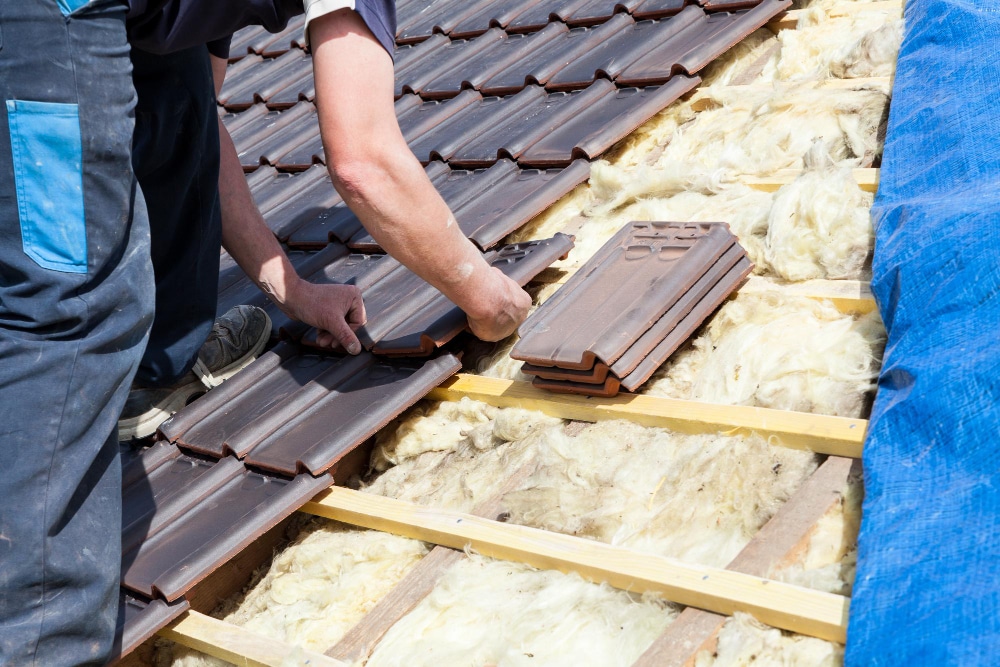
Roof replacement is a major project for any homeowner, but it’s a venture that can significantly enhance the value and safety of your home. Understanding the intricacies of replacing a roof not only helps you make informed decisions but also ensures that you’re prepared for what lies ahead. From selecting the right materials to the installation process, knowing what to expect can save you both time and money.
By grasping the fundamentals of roof replacement, you can take a proactive approach that ensures long-lasting results. This knowledge empowers homeowners to ask the right questions and make choices that best suit their specific needs. Whether addressing wear and tear or unexpected damage, understanding each step involved in roof replacement lays a solid foundation for a smooth transition to a brand-new roof.
Initial Roof Inspection
Before diving into any roofing project, a thorough roof inspection is crucial. This step acts as a roadmap, providing invaluable insights into the current state of your roof and pinpoints areas needing attention. A professional inspection can uncover underlying issues that might not be visible to the untrained eye, such as subtle leaks, weakness in shingles, or structural damage due to weather.
Signs to watch out for include cracked or missing shingles, loose materials around chimneys or vent pipes, and the presence of mold or algae. Here’s what you can expect from a professional inspection:
- Thorough Examination: Experts will examine both the interior and exterior, paying attention to vents, gutters, and any areas where water might be pooling.
- Damage Assessment: Inspectors look for signs of aging or damage, noting any immediate repairs needed that might affect the replacement process.
- Documentation and Recommendations: A detailed report typically accompanies the inspection, offering recommendations that help prepare for potential roofing solutions.
Scheduling a professional inspection is the first proactive step in ensuring a successful roof replacement, setting the stage for decisions on materials and the best course of action for your home.
Choosing the Right Materials
Deciding on the best materials for your new roof is an essential component of the replacement process. Each type of roofing material brings unique qualities to the table, and choosing the right one involves considering several key factors. Climate, budget, and style preferences are all part of the decision-making puzzle.
A few popular roofing materials to consider include:
- Asphalt Shingles: Known for versatility and cost-effectiveness, they come in a variety of colors and styles.
- Metal Roofing: Highly durable and excellent for energy efficiency, yet typically more expensive upfront.
- Slate and Tile: Offering longevity and timeless appeal, these options are heavier and might require additional structural support.
When weighing your options, consider the following:
- Durability: How long do you plan to stay in your home? Investing in high-quality materials may lead to fewer repairs down the road.
- Weather Resistance: Assess how each material stands up to local weather conditions, such as heavy rain, snow, or wind.
- Aesthetics: Think about the overall look you want, ensuring it complements your home’s architecture.
Understanding the pros and cons of each material can help you choose the best fit for your home, ensuring a roof that not only looks great but also performs exceptionally over time.
Understanding the Installation Process
Getting the installation process right is at the heart of any successful roof replacement. Knowing what to expect can prevent surprises and ensures everything goes as planned. Here’s a breakdown of what the process usually involves:
1. Preparation and Removal: The first step involves prepping the site. This includes clearing the area around your home to protect your belongings and landscaping. Next, the old roofing materials are carefully removed to inspect the decking underneath. This prep work ensures a clean slate, crucial for applying new materials.
2. Decking Inspection: Once the old materials are out of the way, the decking is inspected for any signs of rot or structural damage. If any issues are found, they need to be addressed before proceeding. This step ensures the new roof has a solid foundation.
3. Installing Underlayment: A protective barrier is laid over the decking. This underlayment acts as a moisture barrier, shielding against leaks that might sneak past the shingles.
4. Shingle Application: With preparation complete, the new shingles or tiles are laid out and fitted. This process involves precise alignment and nailing techniques to ensure durability.
5. Final Touches: Flashing systems are installed around chimneys and vents to prevent water intrusion. Gutters and drip edges might also be adjusted or replaced as needed to fit the new roof.
6. Cleanup and Inspection: Once everything is in place, a thorough cleanup is conducted. This usually involves removing debris and nails, leaving the site neat and safe. Finally, a rigorous inspection double-checks the entire installation for quality assurance.
Challenges like unpredictable weather conditions can arise, but having an experienced team ensures any disruptions are handled swiftly. Proper planning and execution mean your new roof will stand strong through seasons to come.
Aftercare and Maintenance Tips
Once your new roof is installed, proper aftercare is fundamental to keeping it in tip-top shape. With the right maintenance practices, you can extend the life of your roof and maintain its appearance and functionality. Here’s how you can do that:
- Routine Inspections: Check your roof regularly, especially after a heavy storm. Look for signs of wear or damage that might need attention. Early detection can prevent minor issues from becoming major ones.
- Gutter Cleaning: Keep your gutters clear of leaves and debris. Blocked gutters can lead to water damage and leaks, particularly around the edges.
- Moss and Algae Removal: If your roof is prone to moss or algae growth, consider applying a roof-cleaning product specifically designed to prevent it. This helps in maintaining the roof’s aesthetics and structural integrity.
- Trim Overhanging Branches: Trees are beautiful but can be risky if their branches overhang your roof. Trimming them back can prevent damage from falling limbs and reduce the likelihood of leaves clogging gutters.
- Schedule Regular Professional Inspections: Having a professional inspect your roof annually ensures that any issues are caught before they develop into significant problems. Professionals can spot issues that might not be apparent at a glance.
Proper aftercare doesn’t have to be time-consuming and often pays off by prolonging the lifetime of your roof.
Securing Professional Help
Opting for professional help is often the smartest route when it comes to roof replacement. Professional roofers bring expertise, tools, and safety measures that many homeowners simply don’t have. Here’s why hiring experienced shingle roofers can make a difference:
- Expertise and Experience: Professionals have honed their skills through years of experience. They know the nuances of different roofing materials and can ensure a correct installation the first time around.
- Safety Standards: Roofing can be hazardous, involving heights and heavy materials. Professional roofers follow strict safety standards, minimizing the risk of accidents.
- Quality Results: With professional help, you’re more likely to receive a flawless finish. The precision and attention to detail they bring greatly enhance the longevity and performance of your new roof.
- Access to Quality Materials: Professionals often have access to a range of high-quality materials that are not always available to the general public. They understand which materials work best for certain homes and climates.
- Problem-Resolution Skills: In the event something goes wrong, professionals have the expertise to troubleshoot quickly and effectively, ensuring the project stays on track.
Investing in seasoned roofers can save stress and potential extra costs down the line. Having a professionally installed roof means peace of mind, knowing everything is built to last.
Protecting Your Investment
Ensuring your roof remains in optimal condition is about safeguarding your investment. A roof isn’t just a protective barrier; it’s an extension of your home’s value. Here are some key ways to protect this investment:
- Understanding Warranties: Familiarize yourself with the warranty provided for your roof. Knowing what’s covered can save money should any defects or issues arise. Always check how long your warranty lasts and what it covers in terms of repair and replacement.
- Regular Maintenance: Keeping up with regular maintenance is one of the best ways to ensure longevity. A little effort in upkeep can go a long way in preventing major repairs.
- Boosting Home Value: A well-maintained roof significantly enhances curb appeal and can boost the value of your home. This is especially important if you’re considering selling your property in the future.
- Long-Term Savings: Investing in roofing materials that are durable and energy-efficient can lead to savings on utility bills and reduce the need for frequent repairs.
By taking steps to protect your roof post-installation, you’re securing the future of your home and its structural integrity. With thoughtful care, your roof will continue to be a reliable asset for years to come.
Securing Your Home’s Future: The Lasting Value of a Professional Roof Replacement
Embarking on a roof replacement journey can seem overwhelming, but with the right guidance, it becomes an investment in the longevity and safety of your home. At Mike Huddleston Roofing Systems, we combine expertise with top-quality materials to deliver results that exceed expectations. Trust our experienced team of roofing contractors to guide you through every step, ensuring a seamless transition to a new, durable roof. Secure your home’s future with our professional services today.